
Advanced System Engineer
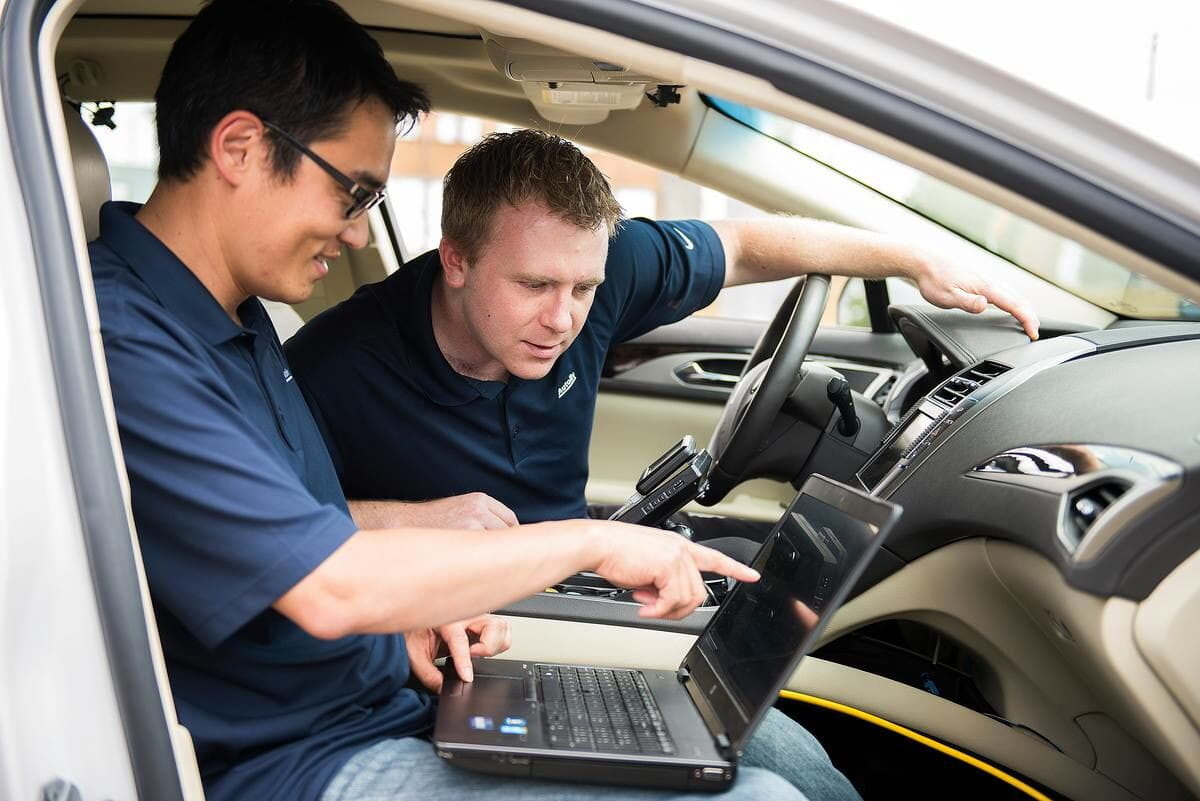
Responsibilities: Technology 1) Responsible for the coding implementation, unit testing, and integration testing of the security electronic function software. Based on the AutoSar (CP/AP) software development platform, complete the development and debugging of core SWC modules such as fusion decision control, optimize task scheduling, and ensure real-time performance and reliability. 2) Cooperate with the hardware team to complete the collaborative debugging of software and hardware, solve compatibility and matching issues related to hardware in the software development process, and ensure the stable operation of the software and hardware system. 3) Lead the testing and verification work of the security electronic system, formulate software testing plans, analyze test bugs, and complete software iteration optimization and version management. 4) Create and maintain software-related products (including code, various requirements, documents, and records). 5) Establish safety electronic software development norms, implement C/C++ coding standards, code review mechanisms, and version management processes, and improve team development efficiency and product quality. (Optional) 6) Participate in global project communication and reporting. Innovation 1) Addressing technical issues related to secure electronic function software, keeping abreast of industry cutting-edge technologies (such as vehicle operating systems, functional safety, information security, etc.), integrating advanced technologies into product development to enhance software competitiveness. 2) In accordance with the company's innovation strategy, exploring new software technologies and tools to reduce product costs. 3) Participating in the improvement of the development process. Requirements: - Proficient in C/C++ embedded development. - Have experience in developing automotive safety electronic functions, and those with AutoSAR development experience or experience in developing safety electronic controller software are preferred. - Proficient in ISO 26262 functional safety development process, with experience in ASIL B-D project compliance certification; able to independently lead FMEA/FTA safety analysis, and familiar with verification methods such as HIL testing and fault injection testing. - Master the triggering logic of safety electronic controllers (such as collision recognition, multi-level ignition strategy, etc.) - Deeply understand the ASPICE process and AutoSAR CP/AP architecture (SWC layer development), and familiar with communication protocols (CAN FD/Ethernet/DoIP) - Familiar with at least one development environment, compiler, linker and debugging tools - Understand basic hardware knowledge
Autoliv China Tech Centre – CTC
Workplace & Culture
We strive to save more lives and prevent serious injuries, and we continuously focus on quality, confidence and security for our customers, stability and growth for our shareholders and employees, as well as being sustainable and earning trust within our communities.


关于Autoliv China
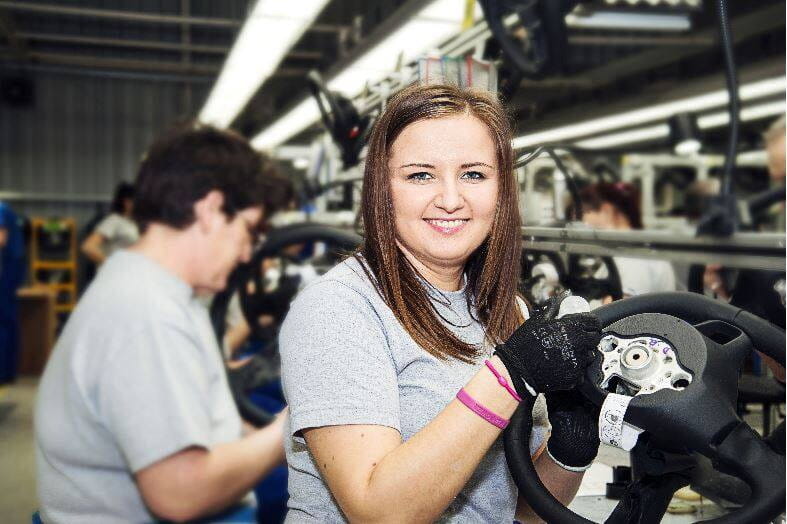
Autoliv, established in Sweden in 1953, is the worldwide leader in automotive safety systems. Through our group companies, we develop, manufacture and market protective systems, such as airbags, seatbelts, and steering wheels for all major automotive manufacturers in the world, as well as mobility safety solutions, such as commercial vehicles and electrical safety solutions. At Autoliv, we challenge and re-define the standards of mobility safety to sustainably deliver leading solutions. In 2025, our products saved approximately 40,000 lives and reduced around 600,000 injuries.
We have operations in 25 countries, and we drive innovation, research, and development at our 13 technical centers. Our 64,000 employees are passionate about our vision of Saving More Lives and quality is at the heart of everything we do.
The diversity of our people is one of the things that makes Autoliv great. Our workforce reflects the diversity of the countries and cultures in which we operate. Each person has unique strengths. The more diverse our organization, the better we will be at anticipating, leveraging, and adapting to future needs and changes. We need different backgrounds and experiences amongst employees.